The rise of vaping technology has changed how substances are consumed in the UK and worldwide. One of the most discussed products in recent years is the THC Weed Vape, a device designed to vaporize cannabis extracts for inhalation. While some people view vaping as a modern alternative to smoking, it carries its own health, legal, and social considerations. Understanding how THC vapes work, the risks involved, and the wider drug landscape in the UK is essential for making informed decisions.
What Is a THC Weed Vape?
A THC weed vape is a device that heats cannabis oil or concentrate to produce vapor instead of smoke. THC, or tetrahydrocannabinol, is the psychoactive compound in cannabis responsible for the “high” sensation. Vapes typically use cartridges filled with THC oil and a battery-powered heating element.
Unlike traditional smoking, vaping does not involve combustion. This means fewer toxins from burning plant material. However, reduced smoke does not mean zero risk. The vapor still contains active compounds that affect the brain and body.
Why THC Vaping Has Become Popular
THC vaping has gained attention for several reasons. First, it produces less odor compared to smoking cannabis. Second, devices are compact and discreet, making them easy to carry. Third, users often believe vaping is safer than smoking.
Social media trends and online discussions have also contributed to its popularity. The sleek design of vape pens appeals to younger audiences. However, perception and reality are not always the same.
Health Effects of THC Vaping
THC affects the central nervous system by interacting with cannabinoid receptors in the brain. Short-term effects can include relaxation, altered perception, increased appetite, and impaired memory. Some users may also experience anxiety or paranoia.
Long-term or heavy use may lead to dependence, reduced motivation, and mental health challenges. Research is ongoing, but concerns have been raised about lung irritation and potential damage caused by certain additives in vape liquids.
It is also important to consider that drug trends often overlap. Public health reports show that cocaine addiction uk have increased in recent years, highlighting the broader issue of substance misuse across the country. While THC and cocaine are different substances, rising drug-related harm underscores the need for awareness and responsible decision-making.
Legal Status of THC in the UK
Cannabis containing THC is classified as a Class B drug under UK law. Possession can lead to up to five years in prison, an unlimited fine, or both. Supplying or producing cannabis can result in up to 14 years in prison.
THC vape products that contain psychoactive levels of THC are illegal unless prescribed under very specific medical conditions. This legal framework means that purchasing or possessing unauthorized THC vape products carries serious consequences.
Misconceptions About Safety
A common belief is that vaping is completely safe because it avoids smoke. While vaping may reduce exposure to certain harmful byproducts of combustion, it still delivers psychoactive chemicals into the lungs and bloodstream.
Unregulated vape products can contain unknown additives or contaminants. Without quality control standards, users may unknowingly inhale harmful substances. Reports from other countries have shown cases of severe lung injury linked to illicit vape cartridges.
Social and Mental Health Considerations
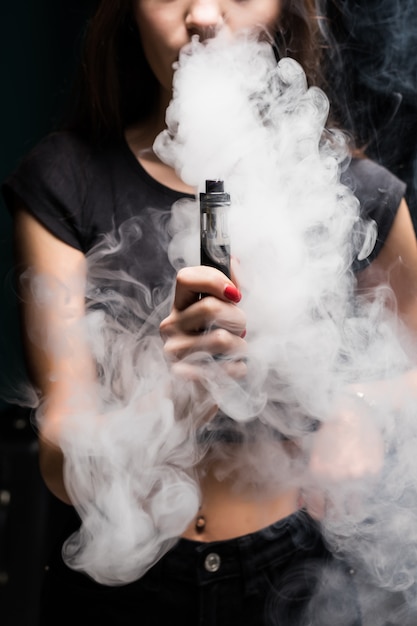
Drug use, whether cannabis or other substances, can affect mental health. THC can temporarily elevate mood, but frequent use may worsen anxiety or depression in some individuals. Young people are particularly vulnerable because their brains are still developing.
Peer influence and online culture often shape perceptions about vaping. Open conversations between parents, educators, and young people are critical. Awareness and education reduce stigma and encourage safer choices.
THC Weed Vape: A Closer Look at Modern Trends
THC weed vape devices continue to evolve in design and potency. Some cartridges now contain highly concentrated THC levels, which can intensify effects and increase the risk of dependence. High-potency products may also lead to stronger withdrawal symptoms when use stops.
Public health experts recommend balanced discussions rather than fear-based messaging. Providing accurate information about health risks, addiction potential, and legal consequences helps individuals evaluate choices more responsibly.
Comparing THC Vaping to Other Substance Risks
When discussing THC vaping, it is helpful to view it within the broader context of substance use in the UK. Alcohol remains one of the most widely consumed substances, yet illegal drugs such as cannabis and cocaine also contribute to health challenges.
Rising drug-related fatalities and hospital admissions indicate the importance of prevention strategies. Education, early intervention, and access to professional support services are key components of reducing harm.
How to Approach Conversations About Vaping
If concerns arise about THC vape use, calm and respectful communication is essential. Asking open-ended questions encourages honest dialogue. Avoiding judgment increases the likelihood of meaningful discussion.
Professional advice can be sought through NHS services or licensed healthcare providers. Early support often prevents more serious problems from developing.
Prevention and Responsible Awareness
Prevention begins with knowledge. Understanding the health, legal, and social aspects of THC vaping empowers individuals to make informed decisions. Schools and community programs increasingly address vaping as part of broader drug education initiatives.
Accurate information reduces myths and misinformation. While some individuals may perceive THC vapes as low-risk, evidence suggests that they carry significant health and legal considerations.
Conclusion
THC weed vape products represent a modern shift in how cannabis is consumed, but they are not risk-free. From potential lung irritation to legal consequences in the UK, vaping THC involves serious considerations. The broader rise in substance-related harm across the country reinforces the importance of awareness and education. By staying informed, encouraging open dialogue, and seeking professional guidance when needed, individuals and communities can reduce harm and promote healthier choices.
Frequently Asked Questions
1. Is THC weed vape legal in the UK?
THC-containing vape products are illegal in the UK unless prescribed under strict medical guidelines. Unauthorized possession can lead to serious legal penalties.
2. Is vaping THC safer than smoking cannabis?
Vaping may reduce exposure to certain toxins from combustion, but it still carries health risks, including potential lung irritation and dependence.
3. Where can someone get help for substance misuse?
Individuals can contact NHS support services, speak to a GP, or seek assistance from licensed addiction treatment providers for confidential help.