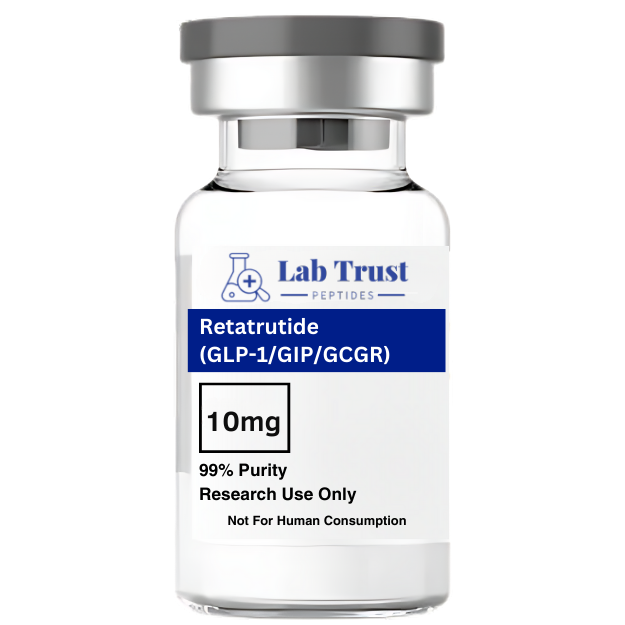
The field of peptide research continues to evolve as scientists explore compounds that interact with multiple biological pathways at the same time. Among the newest subjects of interest is retatrutide peptide, a research compound that has attracted attention due to its unique mechanism involving several receptor targets. Researchers are investigating how this innovative peptide may contribute to a deeper understanding of metabolic signaling, hormone interactions, and energy regulation.
As laboratories seek advanced compounds for experimental models, retatrutide stands out because of its ability to engage multiple receptor systems simultaneously. This characteristic has made it a fascinating area of study within modern peptide science.
Understanding the Science Behind Retatrutide Peptide
Retatrutide is classified as an investigational triple-agonist peptide. Unlike traditional research compounds that focus on a single receptor pathway, retatrutide has been designed to interact with GLP-1, GIP, and glucagon receptors. This multi-receptor activity creates opportunities for researchers to study complex biological processes in a more integrated way.
Scientists are particularly interested in how these pathways communicate with one another. By examining these interactions, laboratories can gain valuable insights into metabolic regulation and endocrine signaling networks.
One reason for the growing interest in retatrutide research is its potential to provide a broader picture of how multiple hormonal systems function together rather than independently.
Key Areas of Laboratory Interest
Researchers commonly investigate:
- Triple-receptor signaling pathways and their biological relationships.
These studies help create a better understanding of interconnected metabolic systems while generating valuable data for future scientific exploration.
Why Researchers Are Paying Attention to Retatrutide Peptide
The scientific community is constantly searching for compounds that can support more advanced experimental models. Retatrutide peptide has become an appealing option because it offers a unique approach to studying hormone-mediated processes.
Traditional peptide studies often focus on isolated pathways. Retatrutide, however, allows researchers to evaluate multiple signaling mechanisms within a single experimental framework. This may improve the efficiency of laboratory investigations and contribute to more comprehensive research outcomes.
Another factor driving interest is the increasing demand for compounds that support sophisticated metabolic research. The peptide’s triple-agonist profile provides opportunities to explore how different receptors influence biological responses under controlled conditions.
Quality and Purity Matter in Peptide Research
When working with research peptides, quality assurance plays a critical role. Reliable laboratory suppliers prioritize analytical testing, batch verification, and transparent documentation to help ensure consistency.
Many research facilities prefer peptides that include:
- Certificates of Analysis (COAs)
- Third-party testing documentation
- Purity verification reports
- Batch consistency assessments
These quality standards help researchers maintain confidence in their experimental materials and support reproducible laboratory results.
In addition, proper handling and storage procedures are essential for preserving peptide integrity. Following established laboratory protocols helps maintain stability and analytical reliability throughout the research process.
The Growing Role of Advanced Peptides in Modern Research
The peptide research landscape continues to expand as new compounds emerge with increasingly sophisticated biological profiles. Retatrutide represents a new generation of investigational peptides designed to support the study of complex physiological systems.
Its ability to engage multiple receptor targets makes it particularly valuable for scientists seeking a deeper understanding of metabolic communication pathways. As research methodologies become more advanced, compounds like retatrutide may help drive innovation across numerous areas of scientific investigation.
Laboratories around the world are continually exploring how multi-receptor peptides can contribute to the development of more comprehensive experimental models. This ongoing interest highlights the importance of innovative compounds in expanding scientific knowledge.
Conclusion
The emergence of retatrutide peptide has introduced exciting possibilities within the world of peptide research. Its unique triple-agonist mechanism allows researchers to investigate interconnected biological pathways with greater depth and precision. As interest in advanced metabolic and endocrine research continues to grow, retatrutide remains a compelling subject for scientific exploration.
While research is still evolving, the compound’s distinctive characteristics position it as an important tool for laboratories focused on understanding complex receptor interactions and metabolic signaling systems. With quality-controlled sourcing and rigorous analytical testing, researchers can continue exploring the potential insights this innovative peptide may offer.